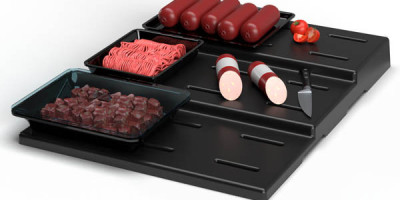
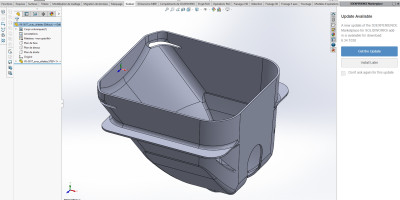
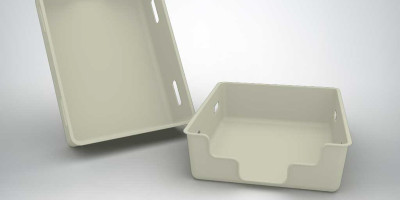
Office equipment and professional electronics incorporate plastic components whose quality directly determines the end user's perception of the finished product. Particularly for products such as printers, scanners, payment terminals, communication equipment, access control systems or interactive kiosks. A poorly fitted housing, a scratched surface or a marking that fades after a few weeks of use: all negative signals that impact the perceived value of equipment.
At Plastisart, we produce plastic parts and sub-assemblies for manufacturers of office equipment and professional electronics who need carefully finished components, dimensionally precise and produced within timescales compatible with their product development cycles.
Technical parts with high perceived value
- Comprehensive support, from design to industrialization
- Detailed identification of your technical needs
- Advice on the choice of the most suitable technologies
The manufacturing requirements of the office sector
Surface quality and premium appearance
Housings and claddings of office equipment are visible parts that form part of the user's daily working environment. Their appearance, whether texture, colour or gloss level, must be consistent from one part to the next and maintained over time. Our mastery of coating and surface finishing guarantees appearance consistency across an entire series.
Dimensional precision of interfaces
Electronic equipment incorporates components whose assembly interfaces are defined to the tenth of a millimetre. A housing whose dimensions drift between two batches generates assembly problems in production. Our CNC machining and systematic quality control guarantee dimensional repeatability batch after batch.
Compliance with electrical and fire safety standards
Housings and plastic components of electronic equipment are subject to electrical safety and fire behaviour standards (UL94, IEC). We have certified flame-retardant grades that meet these requirements for the main thermoplastics in our range: ABS V0, PC V0, PA V0.
Durable marking and screen printing
Keys, buttons, labels and identification markings on office equipment must withstand thousands of daily manipulations without fading or degrading. Our laser engraving produces permanent markings directly in the material, and our industrial screen printing uses polymerised wear-resistant inks.
Different parts and assemblies we produce in office plastics
Housings and shells of electronic equipment
Terminal housings, measuring instrument shells, embedded system claddings and protective covers in ABS, PC or ABS/PC alloys. These parts are produced by thermoforming or RIM injection for large dimensions, and by CNC machining for precision parts in small series.
Control panels and operator interfaces
Control fronts, keyboards, signage panels and user interfaces in PMMA, PC or ABS. Laser cutting and engraving allow functional cutouts and markings to be directly integrated into the part, without additional assembly operations.
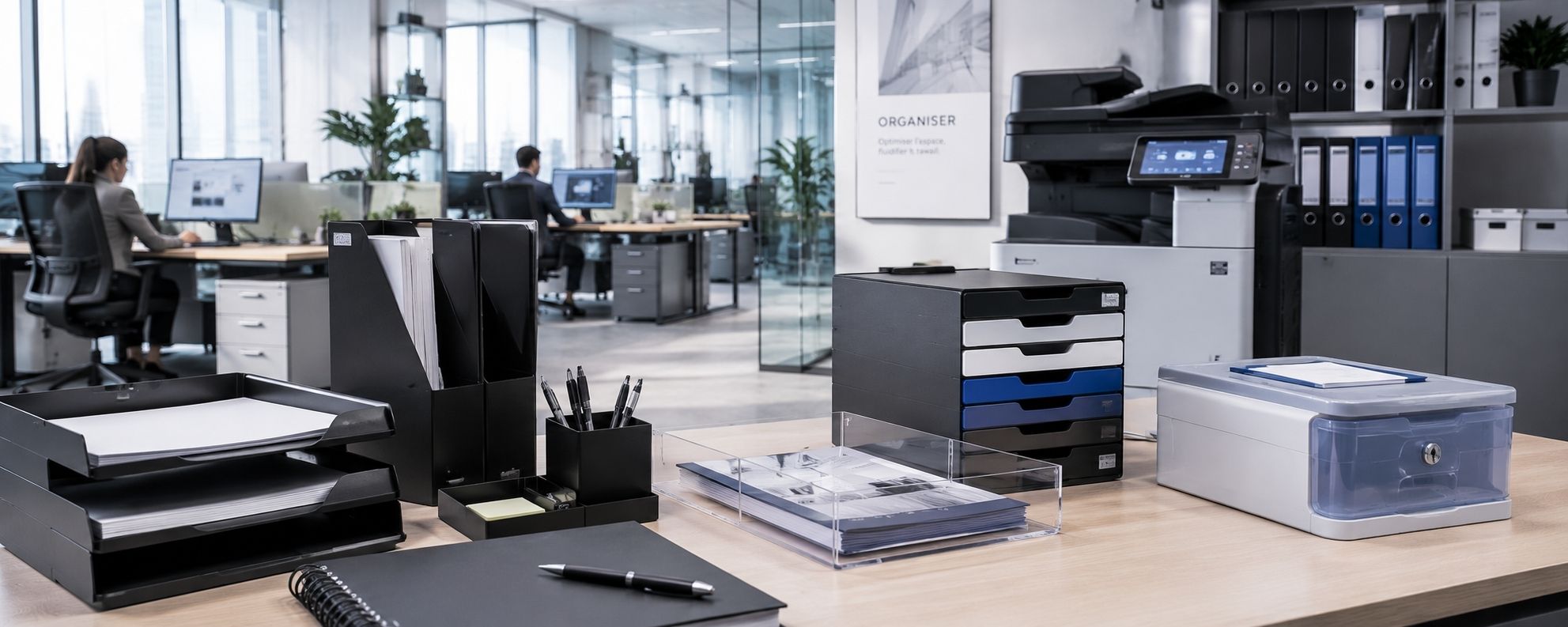
Supports and storage structures
Screen supports, articulated arms, plinths, office storage structures and organisation accessories in ABS or HDPE. These parts combine mechanical requirements (weight resistance, stability) and aesthetic requirements (finish compatible with the office environment).
Interactive kiosks and terminals
Self-service terminals, information kiosks, payment terminals and access control equipment require robust claddings, resistant to vandalism, UV radiation for outdoor installations and easy to clean. RIM injection and thick thermoforming are the most suitable processes for these applications.
Materials used for the office sector
- ABS and ABS/PC alloys for standard housings and claddings
- PC for applications requiring superior impact resistance
- PMMA for transparent elements and display panels
- UV-stabilised ABS and PC for outdoor applications
UL94 V0 flame-retardant grades are available for all main materials we offer.
Why choose Plastisart for reliable plastic components?
Office equipment and professional electronics are present in all working environments. The quality of their plastic components is a direct indicator of the quality of the finished product in the eyes of the user. At Plastisart, our rigour on surface appearance, dimensional precision and marking durability responds perfectly to the requirements of this sector.